Herculaneum by the Circumvesuviana
Smaller than Pompeii and far better preserved, Herculaneum keeps its upper floors, wooden beams and painted rooms. It sits a short local train ride from central Naples.
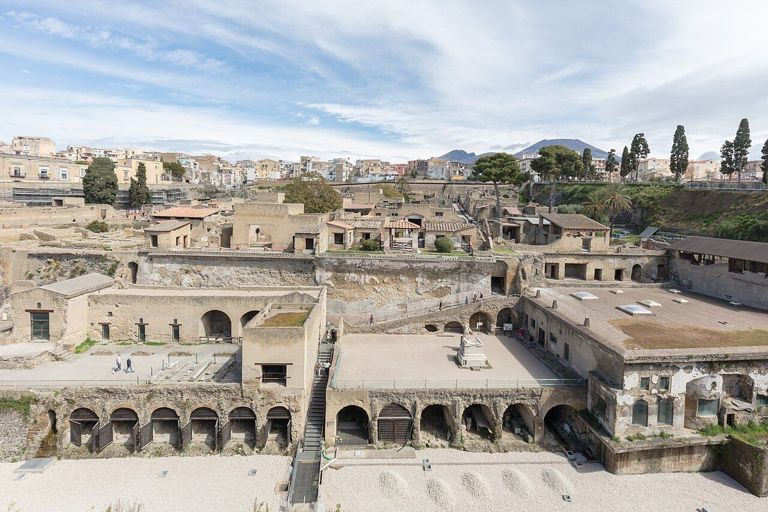
Smaller than Pompeii and far better preserved, Herculaneum keeps its upper floors, wooden beams and painted rooms. It sits a short local train ride from central Naples.
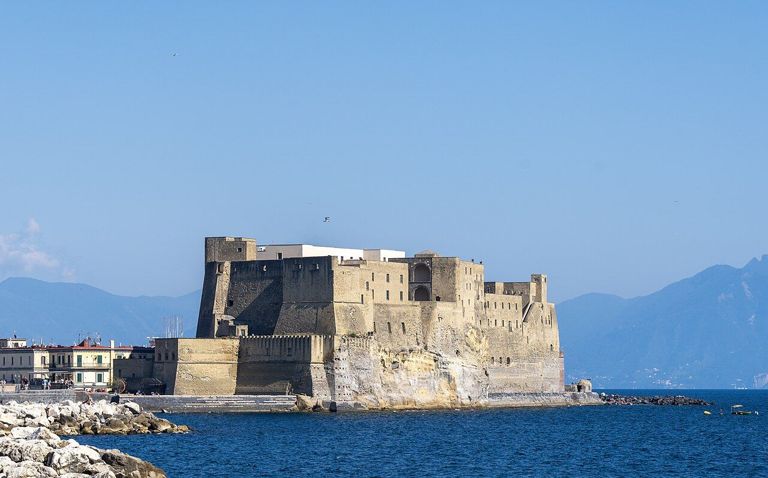
The Naples waterfront is the city's long front room: a car-free promenade, a castle on a rock, a harbour of small boats and Vesuvius waiting across the bay.
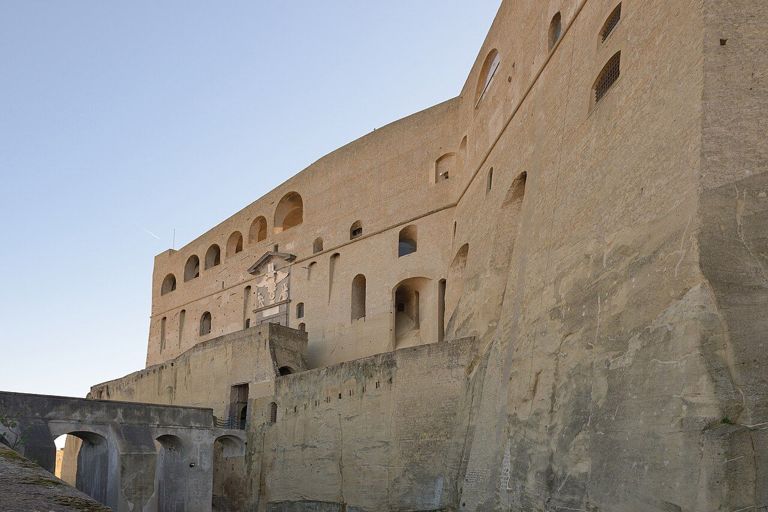
A short funicular ride lifts you from the crush of the centre to the calm hill of Vomero, where a star-shaped fortress and an old monastery look out over the whole bay.
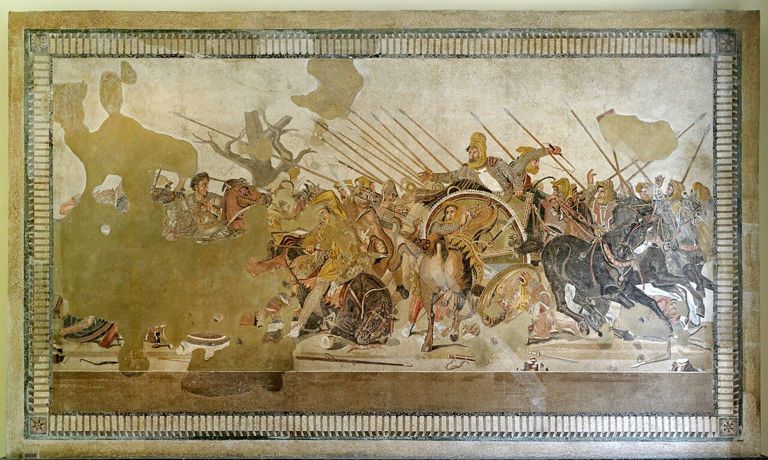
The finest objects from Pompeii and Herculaneum are not at the sites but in a red palazzo in central Naples, alongside one of the great collections of ancient sculpture.
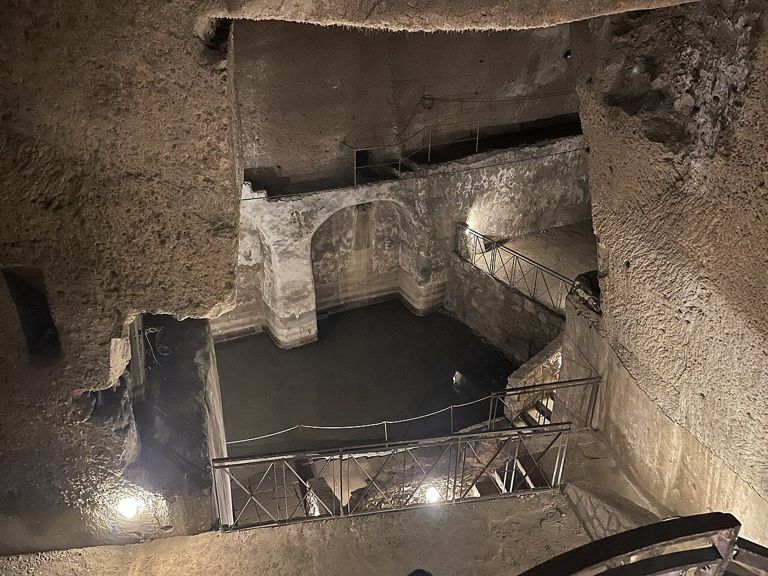
Naples is built from the soft yellow stone beneath it. Centuries of quarrying left a second city of tunnels, cisterns and shelters, and some of it is open on guided visits.
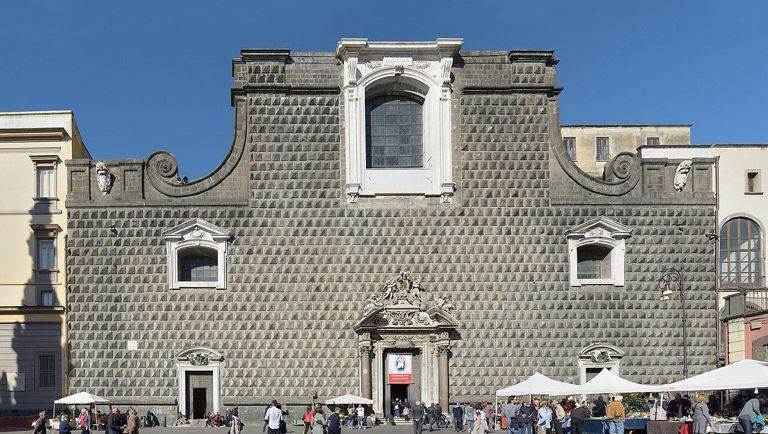
One long, straight, narrow street runs through the heart of old Naples. Follow it from Gesù Nuovo eastward and you walk the line Greek planners drew some 2,500 years ago.
Naples is a city of layers: Greek streets under medieval churches, Roman cisterns under those, Vesuvius over everything. These six posts walk it from the bottom up, the old centre first and then out along the bay.
Because the best of the city is often below your shoes: tuff quarries, aqueduct channels, burial galleries and a Roman town that volcanic rock kept sealed for more than sixteen centuries.